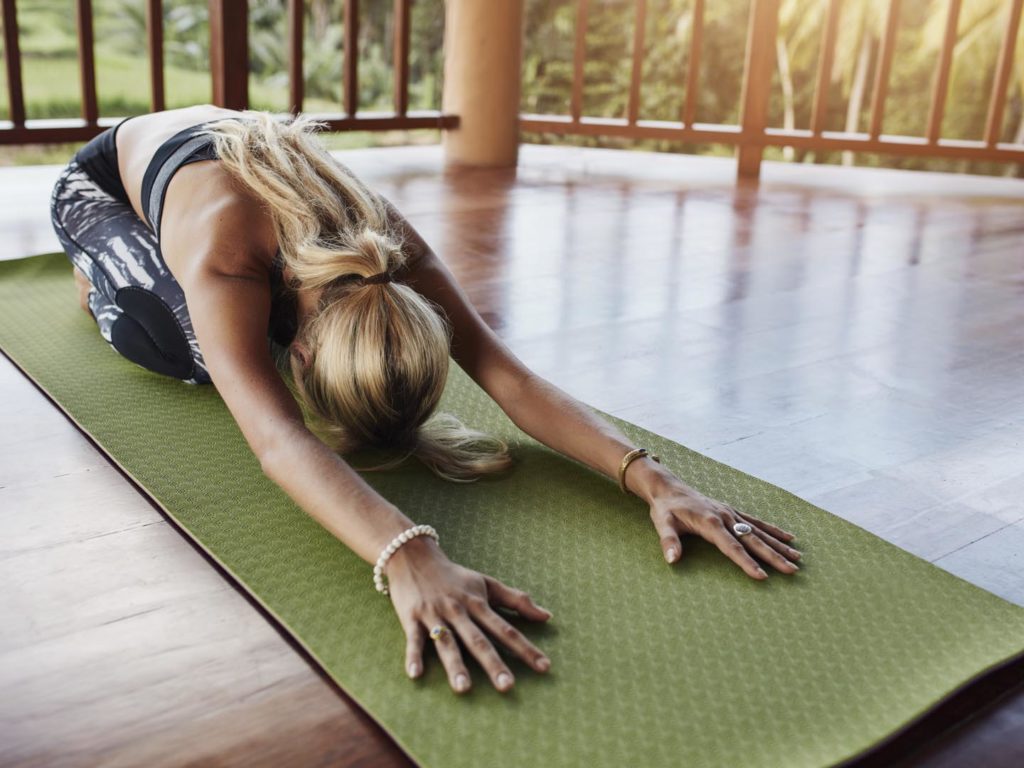
Somatic yoga has quietly become one of the most searched wellness terms of the past two years, but most people who try it have no idea how different it is from the yoga they grew up seeing on Instagram. There are no deep backbends, no aesthetic flows, no pushing toward a “perfect” pose. Instead, somatic yoga slows everything down to work directly with the nervous system, and the science behind why that matters is more surprising than most people expect.
What is Somatic Yoga
Somatic yoga blends traditional yoga with somatics, a field of movement therapy focused on internal sensation rather than external alignment. The practice centers on the idea that the body and brain are in constant conversation and that conscious, slow movement can directly retrain how the nervous system holds tension.
7 Facts About Somatic Yoga Practice
Somatics is all about developing a deeper awareness of your body from the inside out.
It focuses on how you feel and move rather than how you look in a pose. Somatic practices encourage you to notice subtle sensations, release tension, and create healthier movement patterns.
Fact 1: Your Body Can Forget How to Relax
One of the most fascinating concepts in somatic movement therapy is sensorimotor amnesia.
This happens when the brain gradually loses the ability to fully relax certain muscles due to chronic stress, injury, poor posture, or repetitive movement patterns.
The result? Muscles stay tight—not because they need more stretching, but because the brain has forgotten how to switch them off.
This yoga practice helps rebuild that brain-muscle connection, allowing the body to release long-held tension more effectively.
Fact 2: Somatic Yoga Uses a Technique Animals Do Naturally
A core technique in somatic yoga is pandiculation—the instinctive stretch-and-yawn movement you see in cats and dogs after resting.
Unlike passive stretching, pandiculation follows three steps:
- Consciously contract the muscle
- Slowly release the contraction
- Fully relax the area
This process may help reset resting muscle tone by influencing the nervous system in ways traditional stretching often does not.
That’s one reason many practitioners report feeling lighter and looser after even short sessions.
Fact 3: It Can Calm the Nervous System
One of the biggest benefits of somatic yoga is nervous system regulation.
Research on somatic practices suggests slow movement and conscious breathing can stimulate the parasympathetic nervous system, also known as the body’s “rest and recover” mode.
When this system activates, you may experience:
- Slower heart rate
- Lower stress hormone levels
- Better digestion
- Reduced muscle tension
- Improved emotional regulation
This is why many people practice somatic yoga for anxiety and stress relief.
Fact 4: It May Help Reduce Chronic Pain
One of the most compelling reasons people explore somatic yoga is pain relief.
Clinical observations and emerging research suggest somatic techniques may significantly improve chronic neck, shoulder, and back pain.
What makes this surprising is that somatic yoga doesn’t rely on aggressive stretching or intense strength training.
Instead, it addresses pain through neuromuscular re-education—helping the brain release chronic contraction patterns that may contribute to discomfort.
This has attracted growing interest from physical therapists, rehabilitation experts, and pain specialists.
Fact 5: The Vagus Nerve Plays a Major Role
The vagus nerve is often considered the hidden star of somatic yoga.
It acts as a major communication pathway between the brain and body, influencing:
- Heart rate
- Digestion
- Breathing
- Stress response
- Emotional regulation
Slow breathing, humming, gentle spinal movement, and mindful awareness can help stimulate vagal tone.
Better vagal regulation is associated with improved resilience, reduced stress, and a greater sense of safety in the body.
Fact 6: It Is Being Used in Trauma Recovery
Somatic yoga is increasingly being used as a complementary tool in trauma-informed healing.
Trauma experts, including Bessel van der Kolk, have emphasized that trauma can remain stored in the nervous system long after the original event has passed.
This means the body may continue reacting as if danger is still present.
Somatic yoga offers slow, choice-based movement that helps people reconnect with bodily sensations without force.
Rather than pushing through discomfort, practitioners learn to notice, pause, and restore a sense of safety.
For this reason, somatic yoga is often integrated alongside psychotherapy and trauma support.
Fact 7: Just 5–10 Minutes Can Make a Difference
One of the best things is accessibility.
You don’t need hour-long classes to experience benefits.
Even 5 to 10 minutes of daily somatic yoga exercises may help improve body awareness and reduce stress.
Because the practice focuses on nervous system regulation rather than intensity, consistency matters more than duration.
Small daily sessions often create meaningful long-term change.
Who is fit for Somatic Yoga
- Somatic yoga is especially well-suited to people dealing with chronic pain that hasn’t responded to conventional treatment, high stress or anxiety, recovery from injury or surgery, and trauma processing alongside professional support.
- It’s also a gentle entry point for people who feel intimidated by traditional yoga or have been told their bodies are “too tight” or “too stiff” to practice.
Note:
Somatic yoga is not a cure-all, and claims of dramatic pain relief should be approached with the same healthy skepticism as any wellness trend. The research, while promising, is still relatively young compared to decades of study on traditional yoga and exercise.
If you’re managing chronic pain, anxiety, or trauma, somatic yoga is best used as a complement to professional medical or psychological care, not a replacement for it.
Disclaimer
The Content is not intended to be a substitute for professional medical advice, diagnosis, or treatment. Always seek the advice of your physician or other qualified health provider with any questions you may have regarding a medical condition.
Disclaimer: This story is auto-aggregated by a computer program and has not been created or edited by jennertrends.
Publisher: Source link