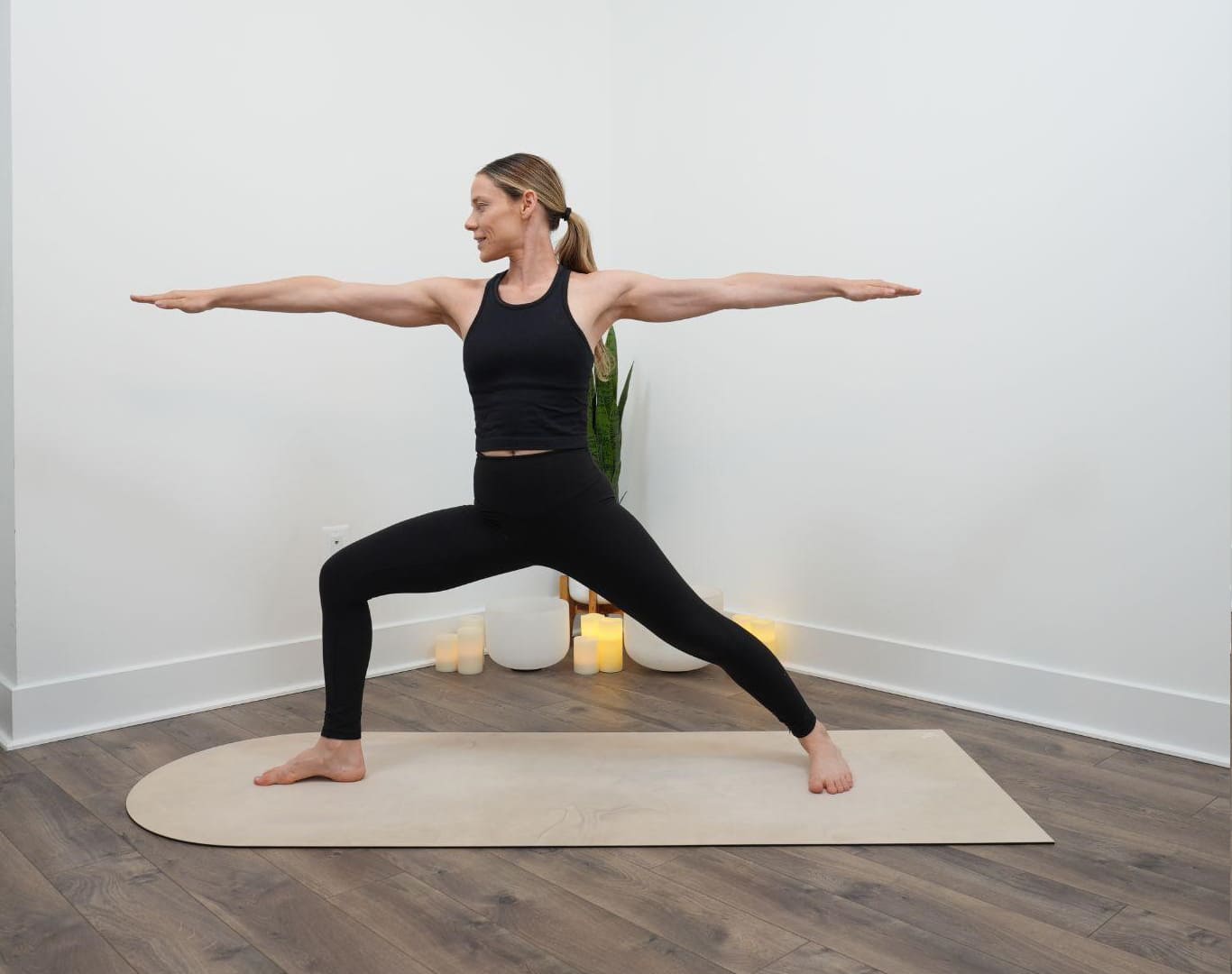
International Yoga Day (IYD) was established by the United Nations in 2014 to raise global awareness of the many benefits of yoga. Yoga is a holistic practice that uses many tools beyond just yoga poses to support physical health, mental well-being, emotional balance and harmony with the world around us. The theme of IYD reflects yoga’s deeper meaning of connection and unity.
One of the most beautiful aspects of IYD is the way it brings people from all over the world together in a shared space of practice. Around the world, communities gather in parks, studios, public squares, and beaches to practice yoga collectively.
These events welcome people of all ages, backgrounds and levels creating a shared experience of breath, movement and connection.
Just as communities come together on June 21 to celebrate yoga, the practice itself teaches us how to create more meaning, connection and harmony in our lives with our friends, family, co-workers and partners.
Yoga’s Most Powerful Transformation
After training nearly 600 yoga teachers in more than 50 countries, one of the most surprising transformations I get to witness isn’t physical. It’s relational.
Many yoga students who take my yoga teacher training are in a life transition: career change, relocation, loss, divorce, empty nesting, retirement, and graduating college. Life transitions often give us the space for reflection. They invite us to ask what we want, what we are becoming, and do our actions align with our values.
A teacher training that goes in depth into self-study becomes the perfect vehicle for transformation. Most students don’t expect it. In fact, they enter because they want to deepen their physical practice. Many express throughout the training that their relationships have gotten better.
They report having more patience with their kids, learning to be present with their partner, or letting go of relationships that no longer serve them.
One thing is for sure, it’s not learning downward facing dog that’s doing this work. The transformation begins when the student realizes that the practice of yoga is more than yoga poses.
The Deeper Philosophy of Yoga
In teacher training, students are introduced to the yamas and niyamas, the first two of the eight Limbs of Yoga. These are the ethical principles that form the foundation of yoga. These teachings cover everything from non-harming and truthfulness to contentment, self-discipline, self-study, and learning to let go of what we can’t control.
While they’re thousands of years old, they remain surprisingly relevant to modern relationships and this is generally the start of subtle but profound shifts with students.
There is far more depth to the yamas and niyamas than can be covered here, and each offers valuable guidance for living a more conscious life. However, when students describe positive changes in their relationships, a few themes tend to surface repeatedly.
Non-Harming (Ahimsa)
The very first ethical guideline starts with compassion and kindness. Ahimsa invites us to notice the ways we often speak negatively to ourselves and others.
As students become aware of the harsh inner voice that criticizes and judges, they learn to meet themselves with greater compassion. Over time, that compassion naturally extends out to others.
We become less reactive in difficult situations, more patient with our kids, more understanding with our co-workers and kinder to our partners.
The way we relate to ourselves sets the tone for how we relate to others.
Truthfulness (Satya)
Satya teaches us to live authentically. When our actions align with our values, we can better speak truthfully. And all relationships need honesty to thrive.
During training, students often recognize where they are avoiding difficult conversations, suppressing their needs, or living out of alignment with their values. Practicing truthfulness means communicating with clarity and integrity.
Self-Study (Svadhyaya)
Perhaps the most life-changing is self-study because it demands self-reflection and in order to self-reflect we must become aware of our thoughts.
Through reflection using tools like meditation, journaling and self-inquiry, students begin to examine how they think and behave.
This awareness often becomes the catalyst for change because we can’t change what we can’t see.
Letting go (Aparigraha)
Many relationship challenges stem from our attachments to how we think things should be. We cling to expectations, past versions of ourselves, and beliefs we unconsciously subscribed to. Aparigraha teaches us to loosen our grip. It doesn’t mean we stop caring.
It means we stop controlling.
In teacher training, students often learn that growth requires letting go of outdated beliefs and old identities. As they release what no longer serves them, they create space for healthier relationships.
Yoga as a Path to Better Relationships
On International Yoga Day, millions of people around the world will gather to practice yoga together. While many are drawn to the physical benefits of the practice, yoga’s deeper teachings offer something valuable: a pathway to healthier relationships.
Through compassion, truthfulness, self-study and letting go, yoga improves relationships because it teaches us how to relate, first with ourselves and then with others.
Author Bio:
Cathy Madeo is a yoga expert, educator, and founder of Cathy Madeo Yoga. With more than 20 years of teaching experience, she has trained nearly 600 yoga teachers in over 50 countries through her online Yoga Teacher Training programs. She is passionate about helping students deepen their practice and grow into confident teachers.
Learn more at https://www.cathymadeoyoga.com/
Disclaimer
The Content is not intended to be a substitute for professional medical advice, diagnosis, or treatment. Always seek the advice of your physician or other qualified health provider with any questions you may have regarding a medical condition.
Disclaimer: This story is auto-aggregated by a computer program and has not been created or edited by jennertrends.
Publisher: Source link