Pregnancy brings profound physical and emotional changes. For women living with an eating disorder—or those in recovery—this journey can feel especially complex. Alongside excitement and hope, there may be anxiety about weight gain, food choices, body image, and the pressure to “do everything right.”
If you are navigating pregnancy with an eating disorder, it’s important to know that you are not alone—and help is available. With the right support, many women go on to experience healthy pregnancies while continuing their recovery.
Understanding the Challenge
Eating disorders, including anorexia nervosa, bulimia nervosa, binge-eating disorder, and other disordered eating patterns, do not automatically disappear during pregnancy.
In fact, pregnancy can sometimes intensify symptoms due to:
- Frequent weight checks and body changes
- Increased focus on food and nutrition
- Fear of losing control over eating
- Emotional vulnerability and hormonal shifts
These reactions are not failures—they are signals that extra care and understanding are needed.
Why Early Support Matters
Proper nutrition and emotional well-being are essential during pregnancy. When an eating disorder goes untreated, it may increase the risk of:
- Nutrient deficiencies
- Fatigue and weakened immunity
- Preterm birth or low birth weight
- Postpartum depression or relapse
Seeking support early can help reduce these risks and create a safer environment for both mother and baby.
Practical Ways to Navigate Pregnancy with an Eating Disorder
1- Build a Compassionate Care Team
Managing an eating disorder during pregnancy is safest with professional support. A care team may include:
- An obstetrician or midwife
- A mental health professional experienced in eating disorders
- A registered dietitian specializing in prenatal nutrition
- Honest conversations allow care providers to tailor guidance without judgment.
2- Reframe Food as Nourishment, Not Control
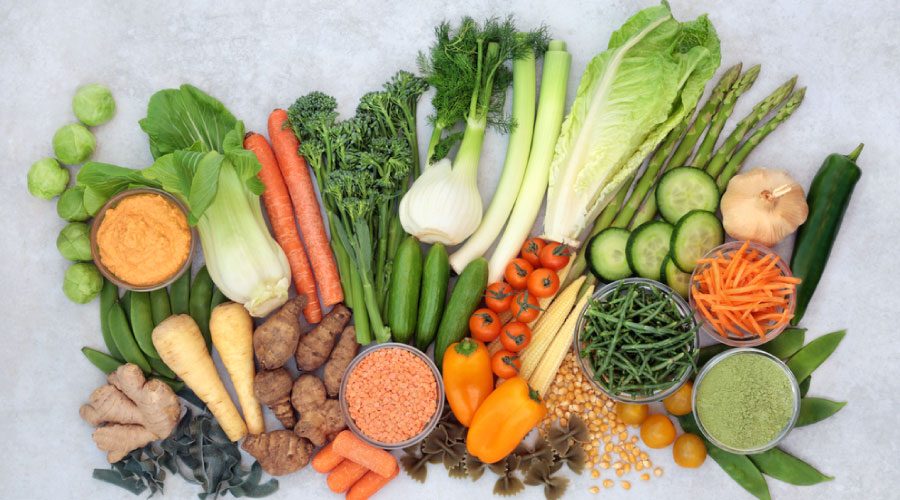
Rather than focusing on calories or weight, try viewing food as essential nourishment that supports energy, growth, and healing. Eating regularly—even when appetite feels unpredictable—helps stabilize both physical and emotional health.
3- Let Go of Perfect Eating
Pregnancy nutrition does not need to be flawless.
Gentle, flexible eating patterns are more sustainable than strict rules. One meal or one day does not define your health—or your success as a mother.
4- Care for Body Image Gently
Body changes can be triggering, but they are also signs of your body’s remarkable work. Wearing comfortable clothing, limiting exposure to triggering content, and practicing body-neutral self-talk can help reduce distress.
Mind-body practices such as prenatal yoga, breathing exercises, or meditation may also support emotional regulation.
5- Know When to Ask for Help
Reach out immediately if you notice:
- Skipping meals or restricting food
- Purging behaviors or misuse of laxatives
- Obsessive calorie counting
- Intense guilt or anxiety around eating
- Avoidance of prenatal care
Early intervention can prevent symptoms from escalating.
Planning for the Postpartum Period
The postpartum phase can be emotionally intense. Hormonal changes, sleep deprivation, and pressure to “bounce back” may increase the risk of relapse.
Having a postpartum support plan—including mental health check-ins—can make a meaningful difference.
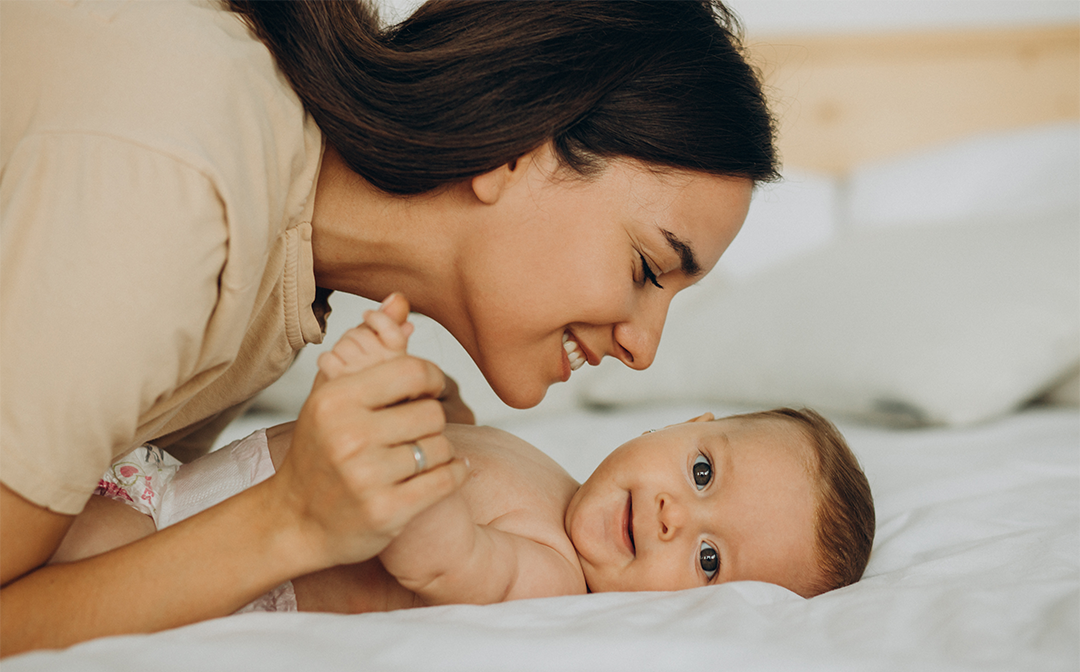
Pregnancy does not require perfection—it requires care, support, and compassion. Managing an eating disorder during this time is not easy, but recovery and healthy motherhood can coexist.
Disclaimer
The Content is not intended to be a substitute for professional medical advice, diagnosis, or treatment. Always seek the advice of your physician or other qualified health provider with any questions you may have regarding a medical condition.
Disclaimer: This story is auto-aggregated by a computer program and has not been created or edited by jennertrends.
Publisher: Source link