Many people look for low-impact ways to build a steady fitness routine. A Pilates machine offers a structured approach to mindful movement. It uses a gliding platform and adjustable springs to create continuous tension. This setup can support your position while adding resistance to movement.
This guide breaks down how these machines work.
You can explore the differences between floor routines and equipment-based practice. This information can help you decide if adding this tool to your space makes sense for your lifestyle.
What Is a Pilates Machine?
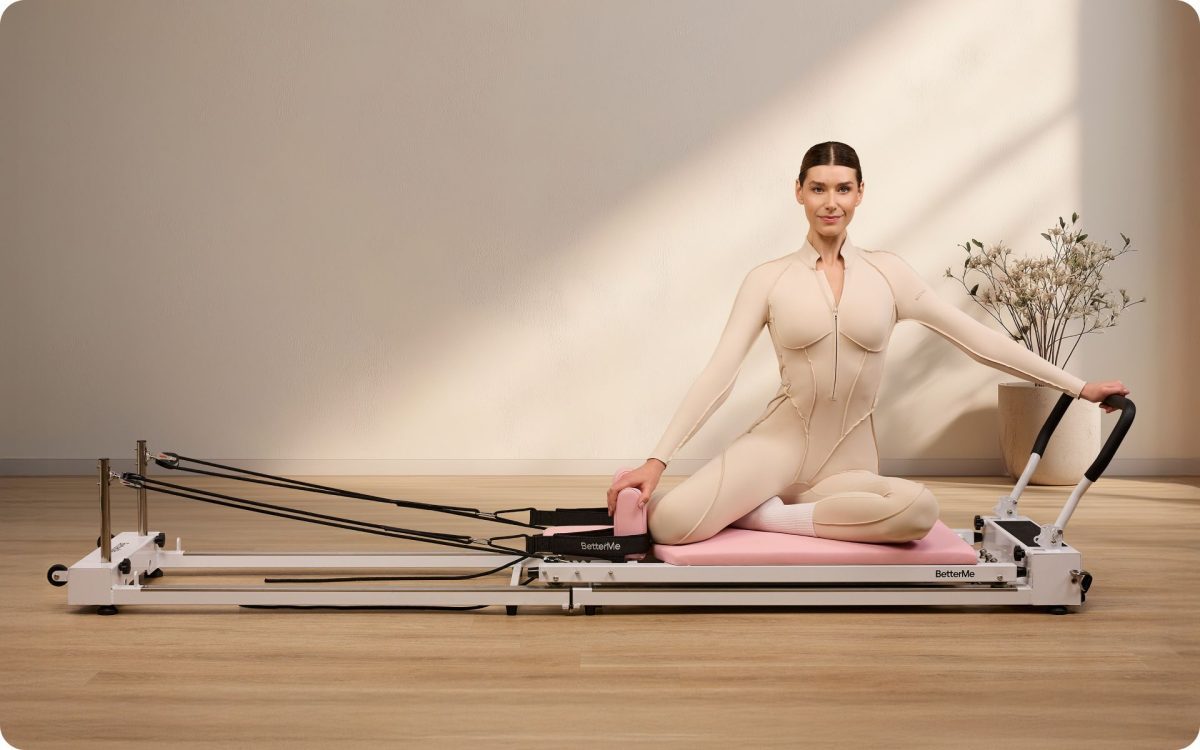
A Pilates machine, often called a reformer, is a piece of fitness equipment used for Pilates-style resistance exercises. It consists of a sliding carriage that moves along a sturdy frame. You can lie, sit, or stand on this carriage during your workout.
The machine uses a system of springs to provide variable resistance.
You can adjust these springs to make movements feel lighter or heavier. It also features a padded footbar at one end and straps for your hands or feet at the other.
How the Springs Work
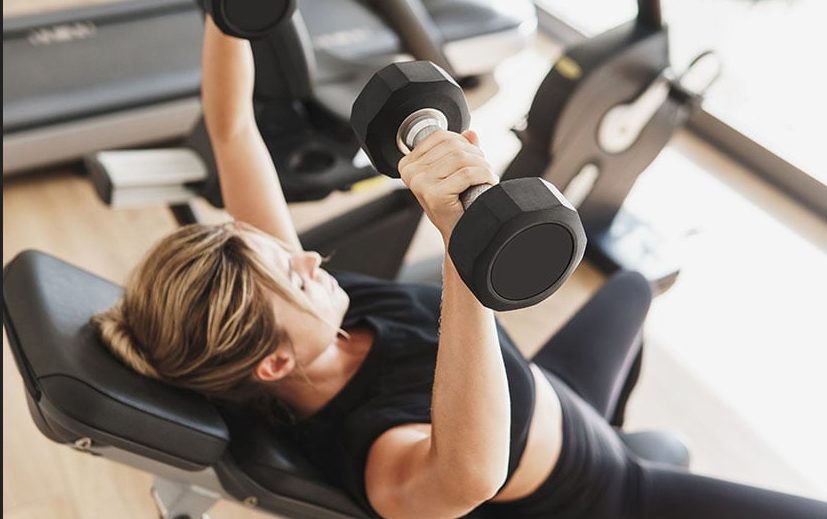
The spring resistance on a Pilates machine behaves differently from traditional free weights. When you lift a dumbbell, gravity provides a constant downward pull. When you push against a spring, the tension changes as the spring stretches.
This progressive resistance means the movement feels lightest at the start.
As you extend your arms or legs, the tension gradually increases. This may feel more in line with how many people produce force during a movement. Many movements feel strongest through the middle range and more challenging near the end ranges.
How Much Space Do You Really Need?
Adding fitness equipment to your home requires careful planning, especially when the home gym footprint is larger than a mat or small accessories. You need to ensure you have enough room to move comfortably and store the equipment.
Consider these practical tips when measuring your space:
- Check the machine footprint: Many standard models measure about 90–100 inches long and 24–28 inches wide, but dimensions vary by brand and model.
- Allow for body clearance: You need an extra 2–3 feet of clear space on all sides.
- Measure your ceiling height: If you plan to do standing exercises, ensure your ceiling is high enough.
- Consider foldable options: Some models have a folding frame and may be easier to store when not in use.
- Look for vertical storage: Some machines are designed for upright storage; always check the manufacturer’s storage guidance first.
- Plan for accessories: You may need a small nearby shelf or basket. This can hold items like a sitting box, a jump board, or extra grip socks.
What to Look for When Buying
Choosing the right equipment can feel overwhelming with so many options available. Compare build quality, dimensions, resistance settings, and features that matter most to your routine. Use this simple checklist to guide your decision:
- Frame material: Look for a sturdy frame, such as solid wood or durable aluminum, depending on the model.
- Carriage glide: The platform should move smoothly and quietly along the rails.
If possible, test or review the carriage system to check whether it moves smoothly.
- Spring quality: Check that the springs offer clear, distinct levels of resistance. They should feel consistent and secure when stretched.
- Adjustable footbar: A good footbar should lock into multiple angles. This allows you to modify the setup for your height and specific exercises.
- Comfortable padding: The carriage and shoulder rests should have padding that feels supportive for your body and intended use.
- Reliable straps: The hand and foot loops should be easy to adjust and secure according to the product instructions.
A Pilates machine is a versatile tool for spring-based resistance exercises. It uses adjustable springs and a gliding carriage to guide movement through different exercises.
While it requires dedicated space and a financial investment, some people find the format engaging.
You can adjust resistance and setup based on the exercise, your experience level, and the manufacturer’s guidance. Start by measuring your space and reviewing the features that matter most to you. From there, you can build a steady routine around your movement goals.
Disclaimer
The Content is not intended to be a substitute for professional medical advice, diagnosis, or treatment. Always seek the advice of your physician or other qualified health provider with any questions you may have regarding a medical condition.
Disclaimer: This story is auto-aggregated by a computer program and has not been created or edited by jennertrends.
Publisher: Source link